
How to Build a Swale for Yard Drainage
A step-by-step overview of planning, digging, and seeding a drainage swale suited to Canadian lot conditions and frost cycles.
Read article →
Residential lots across Canada deal with pooling water, saturated soil, and eroded slopes every spring. This reference covers the practical side of surface drainage — from reading your yard's contours to building swales and establishing rain gardens that actually hold up through a Canadian winter.
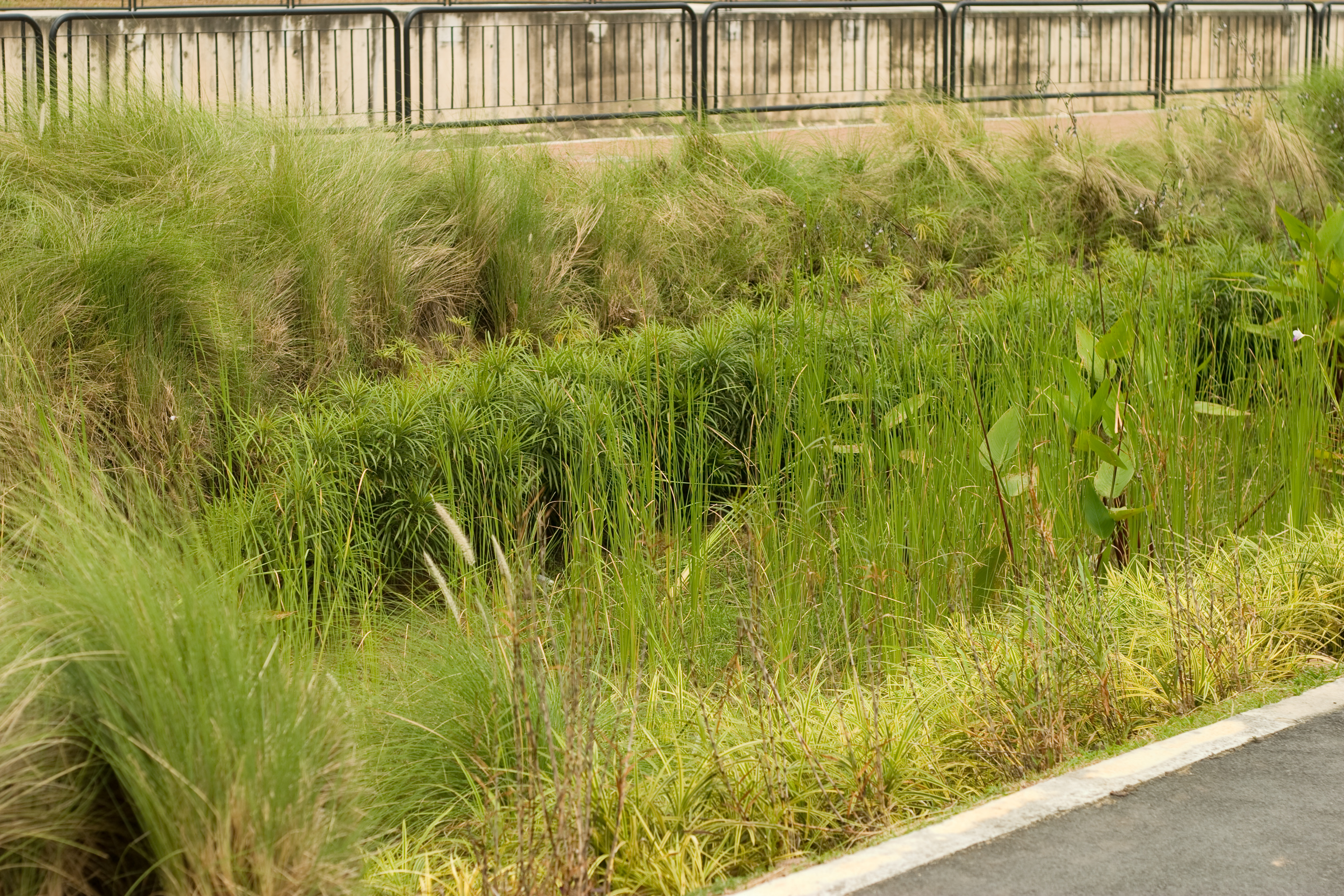
These three articles cover the most common residential drainage questions that come up in Ontario, BC, and Alberta — where spring runoff and clay soils create predictable headaches.
A step-by-step overview of planning, digging, and seeding a drainage swale suited to Canadian lot conditions and frost cycles.

How to size, locate, and plant a rain garden that handles freeze-thaw cycles and manages runoff from roofs and driveways.

Diagnosing the real source of water pooling, soggy lawns, and basement seepage — and the grading approaches that address each one.
A swale dug into sandy loam on a 3% slope behaves very differently from one cut into a clay-heavy Ontario backyard. Slope, soil permeability, and upslope catchment area all determine whether a swale channels water effectively or becomes a muddy ditch. The construction guide covers each of these variables with specific measurements.
Read the swale guideThe speed at which soil absorbs water, measured in mm/hour. Most Canadian clay soils absorb 1–5 mm/hour — a critical figure when sizing a rain garden depression.
The total impervious and semi-pervious surface area draining toward a given point. Roof area, driveway, and lawn slope all contribute to peak flow during storms.
The maximum depth of water allowed to collect in a rain garden before overflow routes away. In most residential designs, 150–300 mm is the working range.
Before installing any drainage feature, the existing grade around a foundation needs to be evaluated. A 2% slope away from the structure over the first 3 metres is the standard Canadian building code recommendation — and it resolves the majority of basement moisture complaints when corrected properly.
Read the drainage guideRain gardens don't look impressive immediately after planting. The first growing season is largely about root establishment below grade. By year two, native plantings fill in and the depression becomes nearly invisible during dry periods.


This form is for general inquiries about the content on this site. For site-specific drainage assessments, contact a licensed landscape engineer in your province.
RillHome
245 Cooper St, Ottawa, ON K2P 0G2
+1 (613) 742-0980
info@rillhome.org